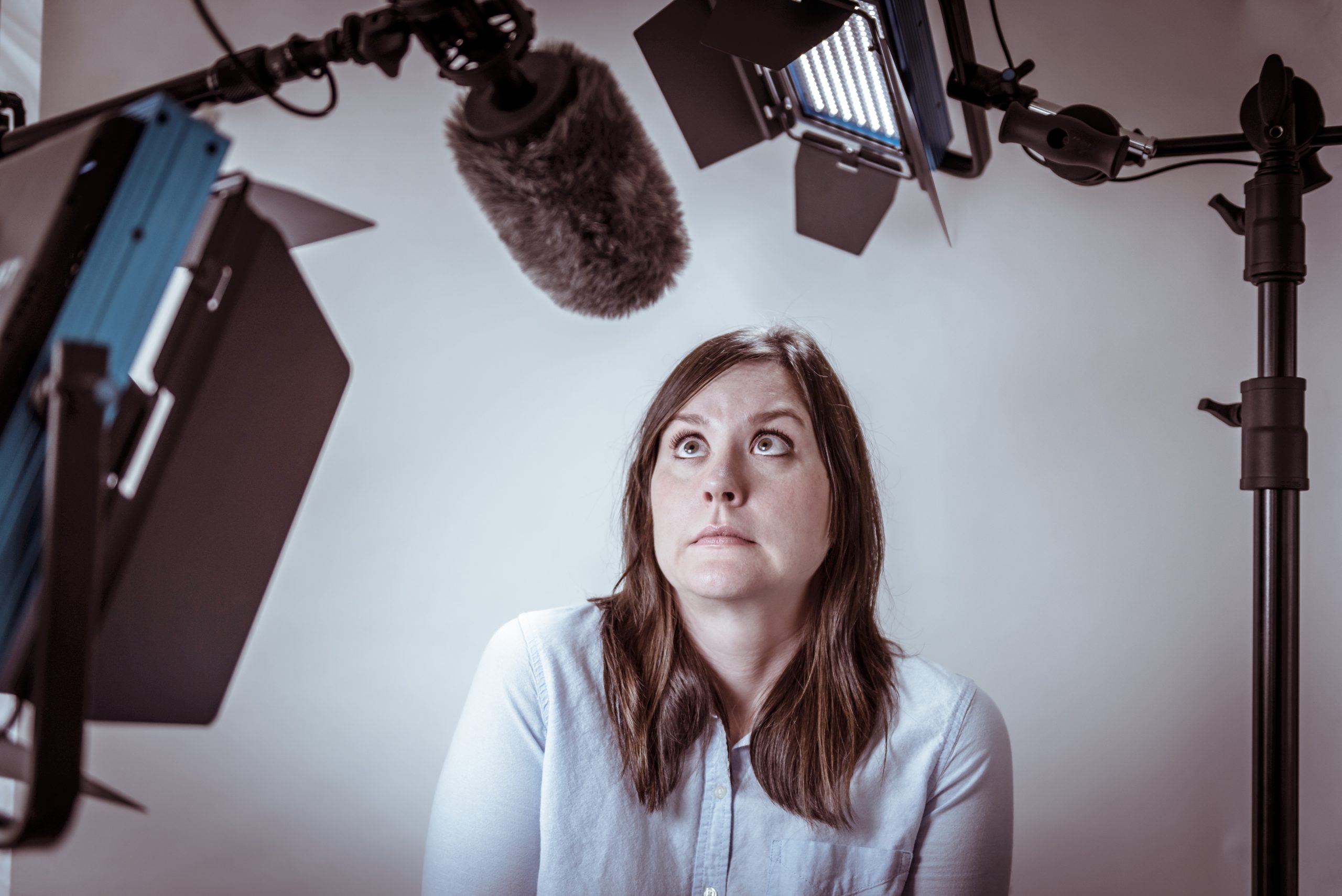
It’s not easy being confident on video. You have to be confident, natural and engaging, all while making sure you look good on screen. But once you get the hang of it, it’s actually quite fun. Here are some tips to help you ace your next video recording or video call.
The benefits of being confident on video
Being confident on video can have a lot of different benefits, both for you and for the people that you are communicating with. Here are just a few of the reasons why being confident on video is so important.
When you are confident on video, it helps to show that you are competent and capable. This can be  helpful in a variety of different situations, especially if you are trying to land a new job or impress potential clients. If you come across as confident and assured, people will be more likely to take you seriously and give you the opportunity to prove yourself.
In addition, being confident on video can help to build rapport with the people that you are communicating with. If you come across as nervous or unsure of yourself, it can be difficult for people to connect with you on a personal level. However, if you project confidence, it will be easier for people to warm up to you and feel like they can trust you. This can be helpful in both personal and professional relationships.
Being confident on video can help improve the quality of your communication overall. When you are feeling confident, it is easier to articulate your thoughts and ideas clearly. This can lead to more productive conversations and better results overall. Whether you are communicating with colleagues or friends, being confident on video will help ensure that all your conversations are as effective as possible.
The best ways to build confidence for video
Video is a great way to improve your communication skills. But it can be nerve-wracking to be on camera, especially if you’re not used to it.
Here are some tips to help you build confidence and ease nerves when speaking on video:
- Relax your body
- Take slow, deep breaths
- Speak slowly and clearly
- Make eye contact with the camera, not the screen
- Visualize your audience and imagine them nodding along and smiling
- Pick a few key points you want to make, and practice beforehand
- Remember that you’re the expert on the topic you’re talking about
- Allow yourself to make mistakes and don’t worry about being perfect
- Smile!
The top confidence-boosting techniques for video
Many people feel nervous or self-conscious when they’re on video, whether it’s for a work meeting or a virtual happy hour with friends. If you’re looking to boost your confidence on camera, there are a few things you can do.
First, focus on your posture. Sit up straight or stand tall and make sure your camera is at eye level so you appear confident and engaged.
Second, avoid fidgeting or playing with your hair, which can come across as nervous or unprofessional. Instead, try to be still and focus on maintaining eye contact with the camera.
Third, smile! Smiling not only makes you look more relaxed and approachable, but it also conveys confidence. If you can’t seem to muster a genuine smile, simply thinking about something that makes you happy should help bring one to your face.
Finally, remember that it’s okay to be imperfect. Everyone has moments of feeling awkward or unsure of themselves on video, so don’t beat yourself up if things don’t go perfectly. Just do your best and focus on enjoying the conversation.
The keys to being confident on video
There are a few key things to remember if you want to project confidence on video:
1. Make sure you are well-prepared: before you hit record, take some time to ensure that you know your material inside out. This way, you will be able to focus on delivering your message rather than worrying about forgetting what you want to say.
2. Practice makes perfect: the more you do something, the easier it becomes. If you can, try to record yourself on camera a few times before your big meeting or presentation. This will help you get used to being in front of the lens and make it less daunting when it comes to the real thing.
3. Body language matters: how you carry yourself can be just as important as what you say when it comes to projecting confidence. Make sure you sit or stand up straight, maintain eye contact with the camera, and use open and gesturing movements with your hands to appear engaged and authoritative.
4. Breathe: it sounds simple, but taking a few deep breaths before you start talking can help calm your nerves and stop you from rushing through your words. Remember to exhale as well as inhale!
The traps to avoid when trying to be confident on video
No one is born a great video communicator. It’s a skill that requires practice, just like any other form of communication. And, like any other skill, there are certain things you can do to get better at it.
Unfortunately, many people fall into the same traps over and over again when they try to be confident on video. If you’re guilty of any of these, don’t worry — you can fix them!
Here are the four biggest traps people fall into when trying to be confident on video that you’ll want to avoid:
1. Not making eye contact
One of the most important things you can do when you’re on video is to make eye contact with the camera. This sounds simple, but it’s actually quite difficult — especially if you’re not used to it.
When you’re talking to someone in person, your brain is wired to automatically make eye contact. But when you’re on video, your brain doesn’t make that same connection. As a result, many people find themselves looking at their own image on the screen instead of the camera lens.
If you find yourself doing this, there are a few tricks you can use to force yourself to make eye contact with the camera:
* Try sitting closer to the camera so that your image is smaller on the screen. This will help your brain make the connection that you need to look at the camera, not your image.
* Imagine that there is a person behind the camera who you need to connect with. This will help your brain engage in “social automaticity” — the same process that happens when you’re talking to someone in person.
* Use verbal cues to remind yourself to look at the camera. Every time you start talking, say something like “let me look right into your eyes…” or “I want to connect with you…” This will help trigger your brain to engage in social automaticity and make eye contact with the camera.
2. Having bad body language & fidgeting
Your body language communicates just as much — if not more — than your words do. And unfortunately, many people have poor body language habits that come across as message-neutral or even negative on video conferences. So, avoid fidgeting – it’s important to try to keep your hands still and your body relaxed.
3. Looking down at the camera
If your camera is positioned so that you are looking down at the camera, it will make you look nervous and unsure of yourself. It’s important to look directly into the camera so that you make eye contact with the people watching (see point 1) and focus on your breathing. If you have a tripod, make sure you adjust it so the lens of your camera is at your eye level. If you have one of those small, desktop tripods, or don’t have one at all, you need to raise the camera up – use books to stand your camera on, or position it on a bookshelf of the right height.
4. Sounding like you’re reading from a script
Whether you’re using a script or teleprompter or not, iy’s important to avoid sounding like you’re reading from a script. Practice your delivery beforehand, not just once, but several times. Keep practicing until you only need the script as a guide, then you’ll be able to deliver a confident and polished performance on video.
The best resources for confidence-building for video
There are many ways to build confidence for video, and the best resources will vary depending on your needs and goals. However, some great confidence-building resources for video include books, articles, videos, and courses that focus on public speaking, communication, body language, and acting. If you can find resources that combine all of these aspects, even better! Below are some specific examples of confidence-building resources that you may want to check out.
Books:
– “The Confidence Code: The Science and Art of Self-Assurance—What Women Should Know” by Katty Kay and Claire Shipman
– “How to Win Friends and Influence People” by Dale Carnegie
– “The Power of Body Language” by Tonya Reiman
– “You Can’t Be Serious! Putting Humor to Work” by Michael Kerr
Articles:
– “5 Powerful Ways to Boost Your Confidence” by Peter Economy
– “7 Ways to Boost Your Confidence” by Martin Zwilling
– “5 Ways to Look Confident on Camera” by Cat-Thy Nguyen
– “How to Look Confident on Camera (Even When You’re Not)” by Fiona Whytehead and Eugenia Zagoruyko
– “The Science of Smiling: A Guide to The World’s Most Powerful Gesture” by Leo Widrich
Videos:
– “Amy Cuddy: “Your body language may shape who you are” TED Talk
– “Ronald Regan’s “A Time for Choosing” Speech
Hopefully these suggestions give you a good starting point as you seek out ways to build confidence for video. Remember that the best resources for confidence-building are often those that are specific to your needs and goals, so don’t be afraid to tailor your search accordingly. Good luck!
The most common questions people have about confidence on video
When it comes to being confident on video, there are a few things to keep in mind. The most important thing is to be yourself. Be confident in who you are and what you have to say. People will respond well to someone who is genuine and authentic.
Another important thing to remember is that confidence is not about perfection. You don’t have to be perfect to be confident. Just be comfortable in your own skin and know that you have something valuable to offer.
Here are a few of the most common questions people have about confidence on video:
How do I project confidence on camera?
One of the best ways to project confidence on camera is by maintaining eye contact with the viewer. This shows that you are comfortable and confident in what you’re saying. It’s also important to speak clearly and slowly, so that people can understand you. And finally, try to relax and take a few deep breaths before you start recording. This will help you feel more calm and collected.
What if I make a mistake on camera?
If you make a mistake while recording, don’t worry! Just take a deep breath and keep going. Nobody’s perfect, and people will appreciate your authenticity more than your perfection.
How do I deal with nerves when filming?
If you’re feeling nervous before filming, there are a few things you can do to calm yourself down. First, take some deep breaths and try to relax your body. Second, remind yourself of why you’re doing this – what is your purpose for making this video? Once you focus on the reason behind why you’re making the video, it will be easier to push through any nerves or anxiety. Lastly, don’t forget that everyone makes mistakes – so if you mess up, just take a deep breath and keep going!
The bottom line on confidence and video
The bottom line is that if you want to be confident on video, you need to understand what confidence is and how it works. Confidence is not about being perfect or never making mistakes. Confidence is about being okay with who you are and what you have to offer. It’s about believing in yourself and your ability to connect with others. Video is a great way to build confidence because it allows you to practice and hone your communication skills. So don’t be afraid to get out there and start making videos!